
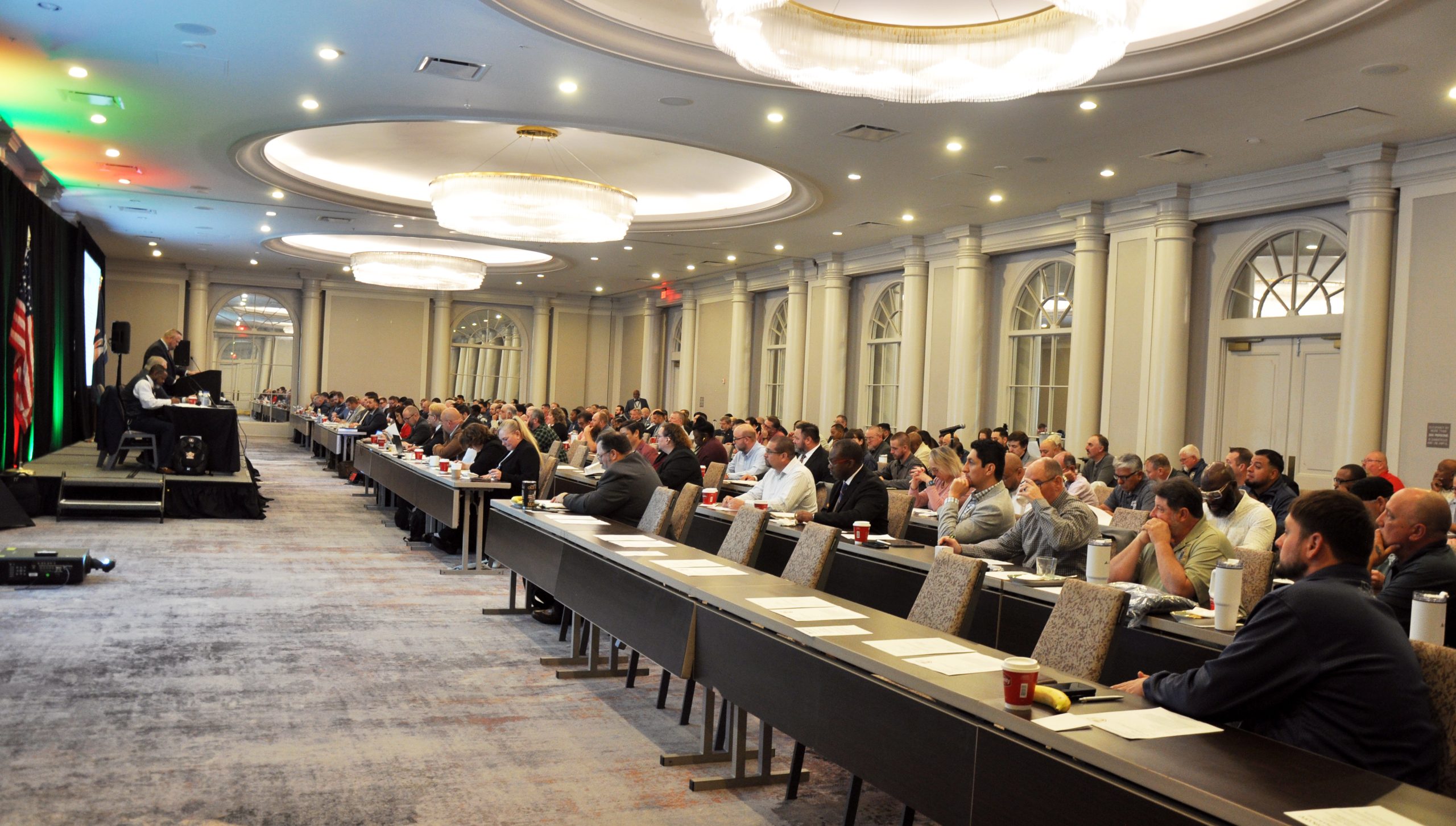
More than 130 delegates and alternates gathered in New Orleans for the Southern Regional Council of Carpenters first delegate conference.
Just two months after a merger brought together three regional councils in the UBC Southern District, 132 delegates and alternates of the newly formed Southern Regional Council of Carpenters gathered on Dec. 13 in New Orleans, where they learned more about the merger and how it will benefit members.
“This is more than a name change – it’s a transformation,” SRCC Executive Secretary-Treasurer Kavin E. Griffin told members who traveled from 11 states to attend the Tri-Annual Delegate Conference. “And our regional council is the South, representing a larger membership, a stronger workforce and a united voice for represented and unrepresented craftspeople everywhere.”
With this growth comes the power and responsibility to do more, Griffin continued.
“But let’s be clear: While our name and size have changed, our mission has not, and we remain steadfast in our commitment to advocate for safe, well-paid jobs and to protect the dignity and rights of every member. That is the foundation of everything we do, and it will guide us as we take on this exciting new era.”
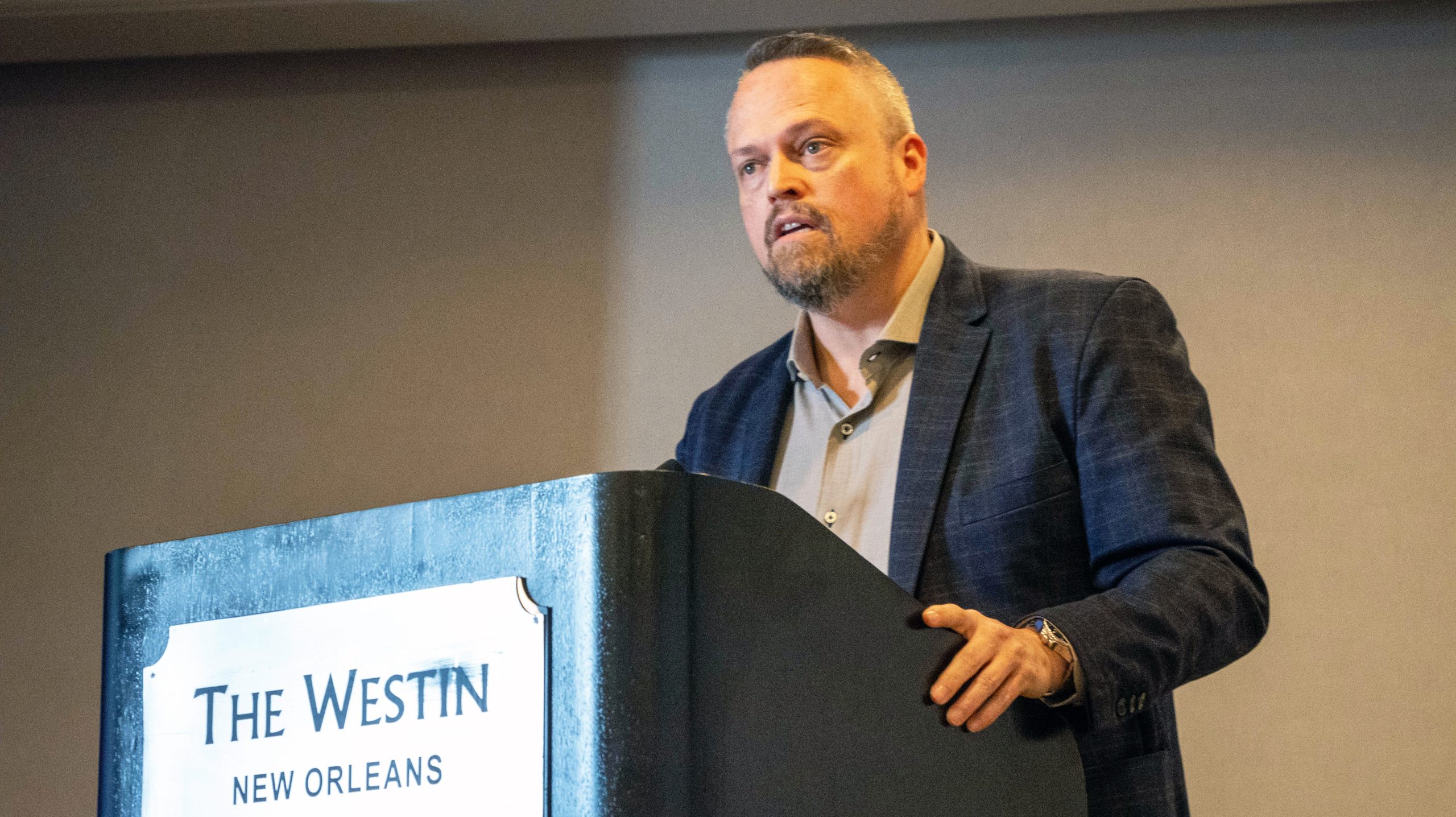
Southern Regional Council of Carpenters Executive Secretary-Treasurer and CEO Kavin E. Griffin
Jason Engels, who was promoted from Southern District vice president to UBC general secretary-treasurer in November, also addressed delegates. Engels acknowledged tough decisions were made but said the carpenters union is the envy of the building trades because of them.
“We restructured the union with the general president’s vision and have been able to do things because of that that no other organization can do,” he said.
Concentrating resources, staff capabilities, and organizational size allows the union to better focus on goals across all departments, from organizing to finance, he said.
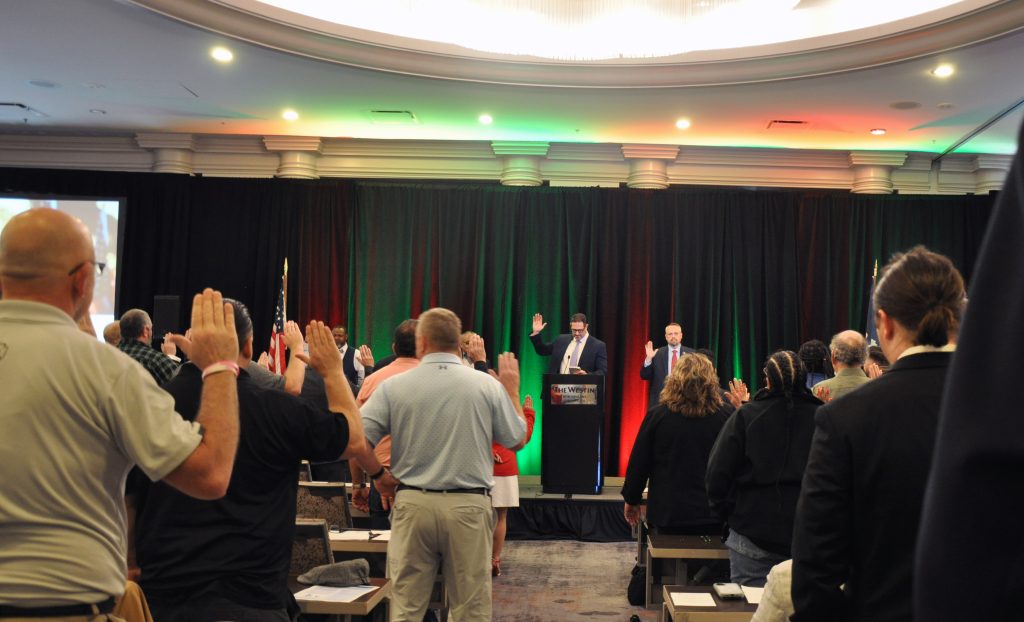
UBC General Secretary-Treasurer Jason Engels swears in delegates at the conference.
Members are already reaping benefits from the merger, and new ones are to come. Read on to find out about enhanced work opportunities, retirement and health-care benefits, and more.
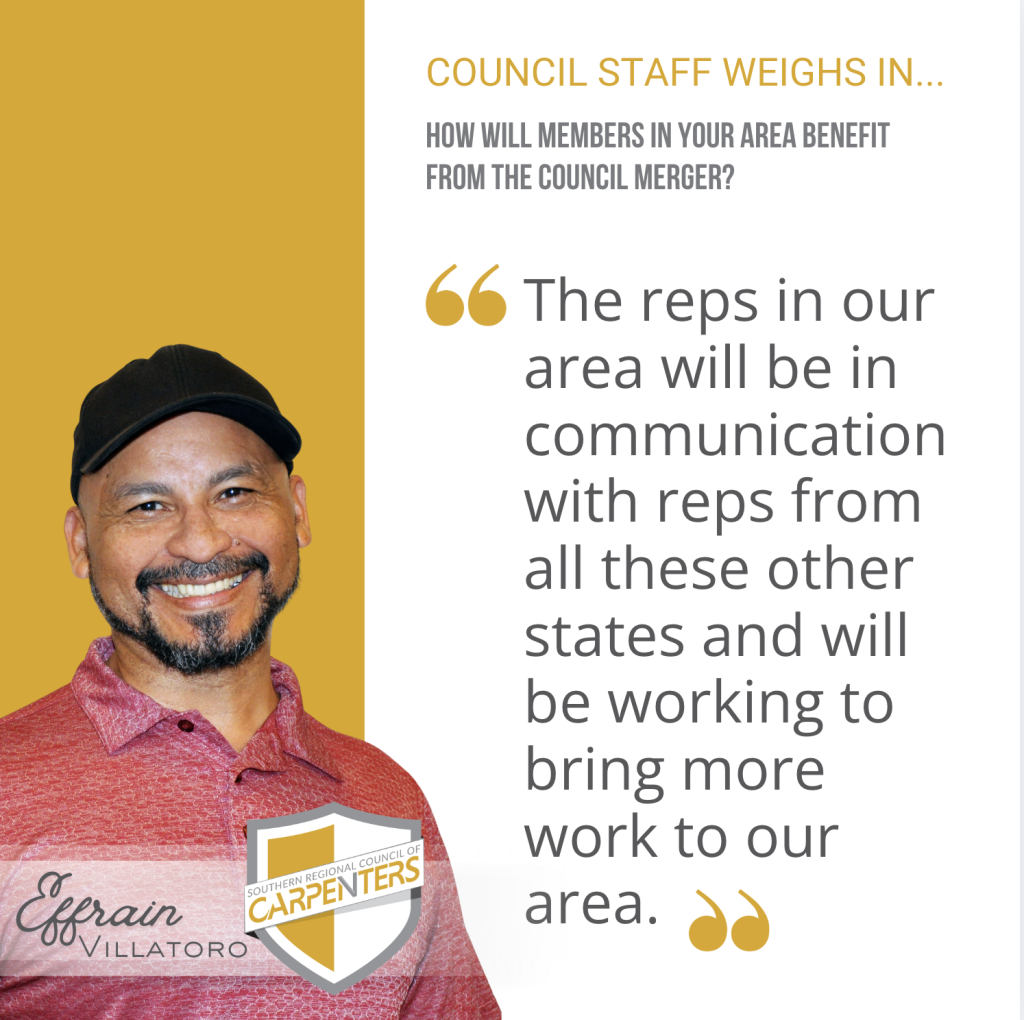
Also check out the video and graphics linked below to see what members and staff had to say about the merger, and be sure to ask your local delegates about their take-aways from the conference.
Vast work opportunities and no reciprocal forms
The SRCC is anticipating unprecedented opportunities for members to work on an explosion of projects in a variety of industries across our 11 states. This is due partly to the SRCC containing six of the United States’ top 10 cities for construction activity: Houston, Dallas-Fort Worth, Miami, Atlanta, Nashville, and Raleigh-Durham.
Thanks to the merger, if you travel to work anywhere in the Southern District, you won’t have to fill out reciprocal forms to transfer your health and retirement benefits.
Some work sectors council leaders highlighted during the conference include:
- Data Centers: Multiple large data center projects, which require both carpenters and millwrights, are underway or on the horizon in many states.
At one Google facility in Claude, Texas, 200 concrete carpenters are currently working, and the project – expected to last five years – will require 600 interior systems carpenters at its peak.
- Nuclear Energy: A massive spring 2026 outage season is approaching, with 16 nuclear power plants entering the outage phase, requiring more than 1,500 carpenters and millwrights.
Overlapping dates will impede the council’s ability to share workforce resources from site to site, said Council Representative Joe Stevens. But the ability the merger provides to more easily dispatch members across the South and to quickly organize new members will ensure a successful spring outage season, he said.
- Solar Projects: Solar projects will ramp up in 2026, said Council Representative William White. Three project labor agreements have been signed in Oklahoma, one in Louisiana, and two other projects are planned in Texas.
“So we’re looking at this year being a great year,” White said. “I was told that we should have as much, if not more, work in Oklahoma this year as we will in Texas.”
- Petrochemical: The Gulf Coast petrochemical market is booming, with the Houston/Beaumont area alone requiring approximately 1,000 millwrights between February and June.
To get in on that work, you’ll need a TWIC Card, said Council Representative Monte Thompson, and you need to secure it now because processing takes six to eight weeks. The TWIC (Transportation Worker Identification Credential) card is essential because it grants access to secure areas in refineries. Contact your nearest training center to get your TWIC card.
Improvements in health-care benefits

The union’s decision to transition next year to Level Health, a UBC-driven health program, is projected to save the 11 states approximately $12 million annually. These cost savings will allow the union to increase benefits without raising member insurance costs, said Thompson.
“So next year, we’ll be able to see those real benefits, realize them,” he said. “The vision that it took for the UBC to see the need to go with the prescription program, which is Level Care, and the medical insurance program, which is Level Health, is something that no one else in the nation, on the union level, did.”
Retirement fund boosts
Thompson said Level Health is such a good program that Level Health 2 has been created for non-UBC unions that wanted to participate. “It is amazing,” he said.
The UBC is moving toward its goal of having three consolidated pension funds across the United States, and mergers currently underway are expected to result in a pension fund exceeding $20 billion next year.
For participating members, this consolidation secures long-term sustainability and immediate improvements, with the vast majority of members receiving significantly better benefits.

Successful investment strategy
The council’s investment strategy focuses on stability and earning favorable returns while keeping investment fees extremely low.
“We’re being very conservative about it, and we’re still making 8.5% per year,” said Jay Youngdahl, an attorney for the UBC Southern District.
The merged council currently has approximately $41 million in investment assets, and approximately $80 million in assets when property is included. “We’ve got enough money to do what you want to do,” Youngdahl said.
Training opportunities
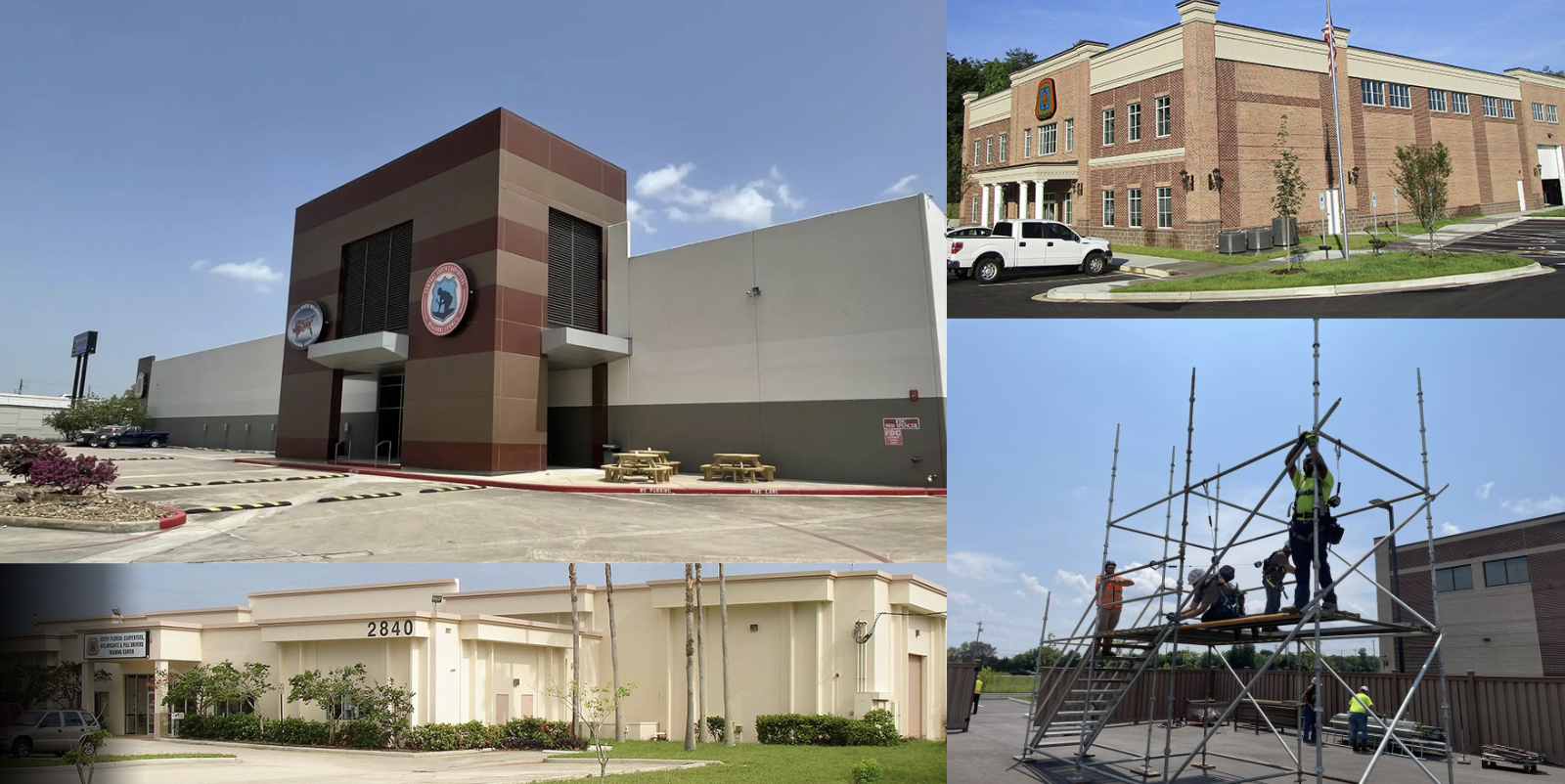
The Southern District’s training department is prioritizing growth and retention to meet upcoming workforce demands, said Jimmie Jordan, executive director of training.
One goal is growing the apprenticeship program to 6,000 to 7,000 apprentices to support a 30,000-member workforce target. Providing all members with continuing education in the fast-moving, technology-driven industries in which we work also is paramount.
Modernized facilities, including a new 52,000-square-foot training center in Lakeland, Florida, are being launched to support the union’s expansion and members’ training needs.
New government affairs department to advocate for members
The new council has formed a government-affairs department with staff members across the 11-state footprint who will focus strategically on increasing union market share and securing work opportunities for members.
The department’s activities are designed to leverage civic engagement to protect and enhance members’ jobs, wages, and benefits.