
Even in the South, winter weather can pose serious health risks for workers in our industries. Extended exposure to cold or freezing temperatures – or a combination of cool temperatures, wind, and moisture – can lead to frostbite, hypothermia, trench foot, and other conditions. Now is a good time to refresh crew leaders and members on measures to prevent cold-related injuries and illnesses. It’s also a good time to review related employer responsibilities.
Employer tips:
- While OSHA doesn’t have a specific standard that covers working in the cold, its general-duty clause requires employers to provide workers with an environment free from recognized hazards, including cold stress, likely to cause serious physical harm.
- Refresh employees on how to prevent and recognize cold-related illness and remind them to monitor themselves and co-workers. Have them work in pairs so they can do this.
- Ensure employees wear warm hats, jackets, gloves, and boots (waterproof when necessary) as needed.
- Allow workers to take breaks when they need to warm up, and encourage them to drink warm liquids.
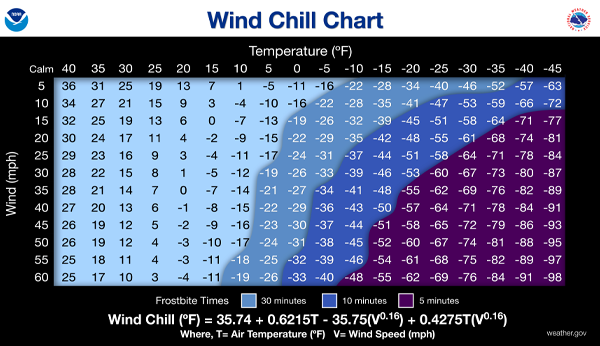
- Be aware of wind-chill temperatures and how they affect those working in the cold. For example, when the air temperature is 40°F, and the wind speed is 35 mph, the wind chill temperature is 28°F. This measurement is the actual effect of the environmental cold on exposed skin.
- Incorporate the measures you take to protect workers from cold-related illness into relevant health and safety plans.
Resources:
- OSHA Cold-Stress Guide
- OSHA Cold-Stress Quick Card in English and Spanish
- National Weather Service Wind-Chill Calculator